
City streets offer an endlessly shifting canvas, dramatic architecture, fleeting moments of human connection, moody skies at dusk. Whether you are drawn to the geometry of urban landscapes or the raw energy of street photography, the gear you carry shapes the images you bring home. Packing thoughtfully, rather than packing heavily, is the philosophy that separates a productive day on location from an exhausting one.
In brief
- The primary goal of urban photography gear is to balance image quality with portability to avoid fatigue during long days of walking.
- Compact mirrorless cameras are the preferred choice for city shooters because they are unobtrusive, lightweight, and offer full manual control.
- Choosing between prime lenses for sharpness and discipline or zoom lenses for versatility is crucial depending on the specific urban subjects being captured.
- A well-chosen, discreet camera bag and a comfortable strap are essential for protecting equipment and allowing for quick access in busy environments.
- Neutral density filters and tripods are vital accessories for capturing creative long exposures and night photography in urban settings.
- Carrying essential backups like spare batteries, power banks, and cleaning cloths ensures photographers remain prepared for changing conditions throughout the day.
Choosing the right camera and lenses for urban photography
When heading out into the city, your first consideration is the camera body itself. For anyone serious about urban photography, a visit to a dedicated resource such as https://www.agfaphoto-gtc.com/en/ is well worth the time, as it brings together a range of photography gear suited to different shooting styles and budgets. The right foundation makes every other decision easier.
Compact mirrorless bodies: the urban photographer’s best companion
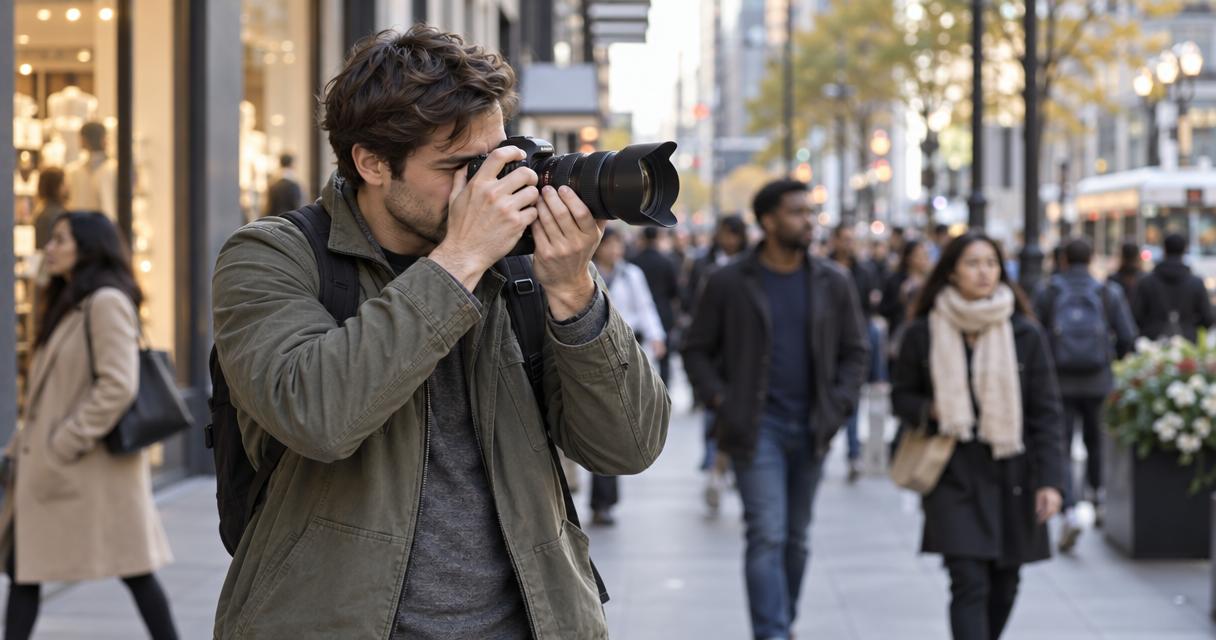
The mirrorless camera has become the dominant choice for city shooters, and with good reason. These bodies combine the image quality of a traditional interchangeable-lens system with a form factor that allows you to move unobtrusively through crowds. A smaller, lighter body means less fatigue over a full day of walking, and it draws far less attention in busy public spaces, a genuine advantage for street photography. Full manual camera settings remain available, giving you complete creative control over exposure, shutter speed, and aperture without sacrificing portability. Some photographers favour cameras with built-in film simulation modes, which are particularly well suited to producing a timeless aesthetic in urban landscape work.
It is worth noting that weather sealing, while not strictly essential, adds a layer of confidence when dark clouds gather unexpectedly. A compact camera without sealing can still perform admirably, but carrying a small umbrella alongside it is a sensible precaution that experienced urban photographers tend to swear by.
Prime vs zoom lenses: which focal lengths suit city streets
Choosing between a prime lens and a zoom is one of the most debated questions in city photography. Prime lenses (particularly those in the 28mm, 35mm, and 50mm range) are valued for their compact size, optical sharpness, and the discipline they impose on composition. A 35mm or 50mm equivalent encourages you to move with intent, placing yourself in relation to your subject rather than reaching for the zoom ring. For architectural photography, however, a wide angle lens in the 16–35mm range is considered essential, as it allows the full scale of buildings and urban vistas to be rendered within the frame, complete with dramatic skies above.
A standard zoom covering a broad focal length range addresses the vast majority of situations a city photographer encounters day to day, from tight street scenes to open plazas. When specific details at a distance demand attention (a decorative frieze, a distant skyline) a lightweight telephoto lens earns its place in the bag. The key principle is versatility without excess weight: carry what you will genuinely reach for, and leave the rest behind.
Essential accessories to pack for shooting on the go
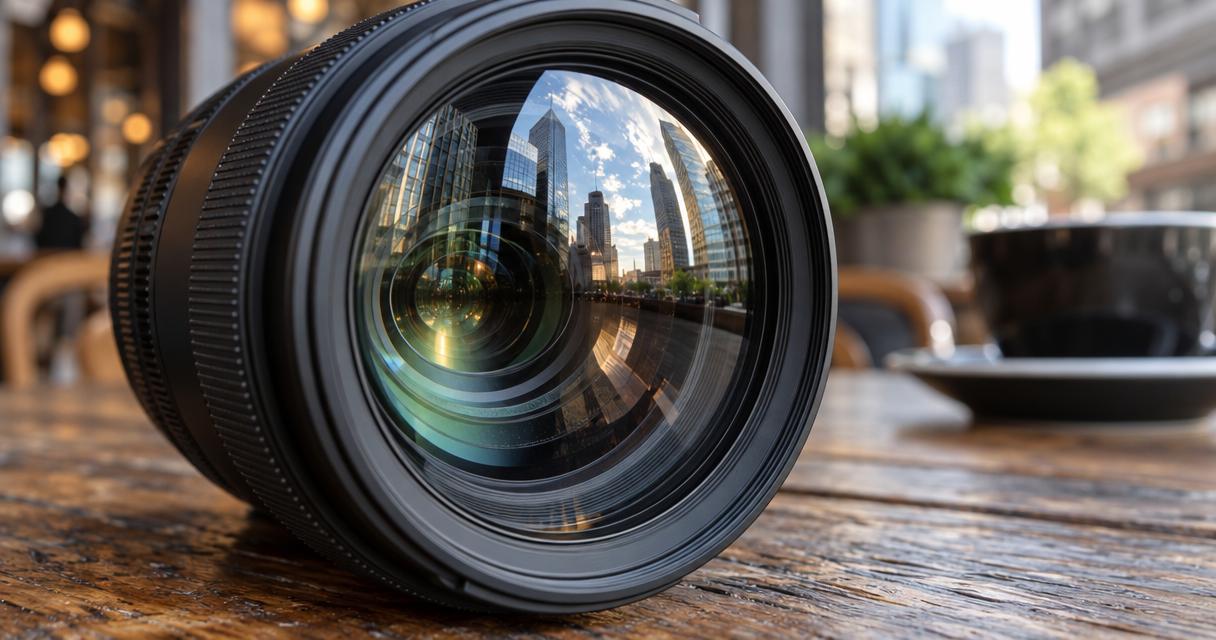
Camera and lenses form the core of any kit, but it is the supporting accessories that often determine whether a shoot is comfortable, creative, and productive. Choosing each item with care keeps your bag manageable and your mind focused on the images rather than the logistics.
Bags, straps and protective gear built for city conditions
A good camera bag does more than carry your equipment, it protects it, organises it, and allows you to move through urban environments without drawing unnecessary attention. Many photographers favour messenger-style bags or discreet backpacks that blend into a city crowd. The ideal bag offers quick access to your camera body, dedicated compartments for lenses and accessories, and enough room for a water bottle and a lightweight layer. A camera strap is equally non-negotiable: it keeps your body secure during long walks, reduces the risk of drops on wet pavements, and distributes weight more comfortably across the shoulder or neck than carrying the camera by hand.
Filters, spare batteries and other kit that earns its place in your bag
For long exposure photography and night photography, a neutral density filter is transformative. A strong ND filter allows you to extend shutter speeds dramatically even in daylight, smoothing out water features and traffic trails into silky streaks that give city images an otherworldly quality. Magnetic filter systems are increasingly popular because they attach and detach quickly, which matters enormously when light is changing fast.
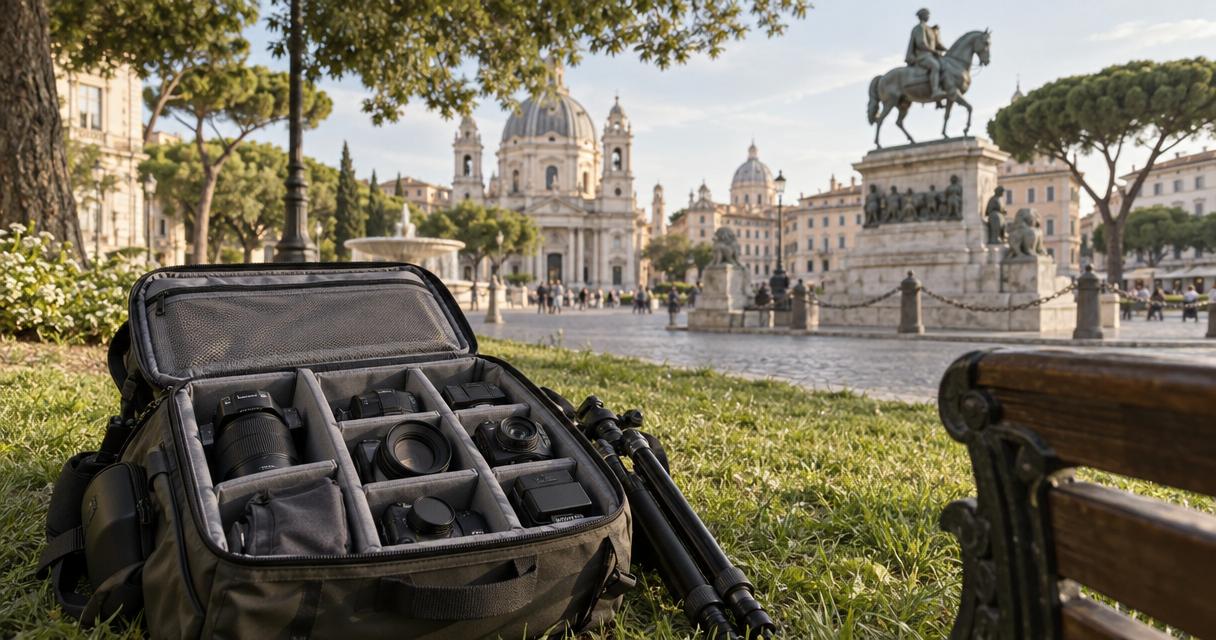
A camera tripod rounds out the kit for anyone pursuing low light photography or long exposures. Compact travel tripods have improved significantly and add minimal bulk. Alongside it, a shutter release (either wired or wireless) eliminates the camera shake introduced by pressing the shutter button manually, which is particularly valuable during extended night exposures. Spare batteries are always worth packing for a full-day outing in the city, and the following items consistently prove their worth on longer shoots:
- At least one additional battery charged and ready
- A compact power bank for extended days on location
- A microfibre cloth for clearing moisture from lens elements
- A polarising filter to manage reflections on glass facades
Ultimately, the best photography gear for urban work is the kit you know intimately and can operate instinctively. The city rewards those who are ready to react quickly, so pack with purpose, travel light, and let the streets do the rest.