
Investing in a solar panel system is a significant step towards sustainable living and reducing your energy costs. However, like any valuable investment, your solar kit requires proper care and attention to ensure it continues delivering optimal performance year after year. Understanding the fundamentals of solar panel maintenance not only protects your financial investment but also maximises the energy output your system can provide. With the right approach to upkeep, your solar installation can serve your household efficiently for decades, making every watt count towards your electricity bill reduction.
Essential routine maintenance practices for your solar panel kit
Maintaining your solar panel kit doesn't need to be an overwhelming task, but it does require consistent attention to detail. The most fundamental aspect of keeping your system in peak condition involves regular cleaning and vigilant monitoring. These practices form the backbone of effective solar panel maintenance, ensuring that your investment continues to generate clean energy at maximum capacity. By establishing a routine that addresses both the physical cleanliness of your panels and the technical performance of your system, you create a comprehensive approach that safeguards both efficiency and longevity.
Regular cleaning procedures to maximise energy output
The accumulation of dirt, dust, pollen, and bird droppings on your solar panels can significantly impact their ability to convert sunlight into electricity. Research indicates that dirt build-up can cause efficiency losses ranging from ten to thirty percent, with some sources suggesting that in particularly dusty conditions, this figure could reach as high as twenty-five percent. Such reductions in performance translate directly into higher electricity bills and diminished returns on your investment. The frequency with which you should clean your panels depends largely on your local environment. If you live in an area with high pollution levels, dense traffic, or abundant tree coverage, you may find that your panels require attention twice yearly rather than the standard annual clean that suffices for most locations.
When undertaking solar panel cleaning yourself, it's essential to follow safe and effective methods. Begin by switching off your solar panel system entirely before attempting any cleaning work. Use only a soft brush and clean water to gently remove surface debris, taking care to avoid harsh detergents, scrapers, or high-pressure washers that could damage the delicate surface of your panels or their protective coatings. For those with roof configurations that are difficult to access or for larger commercial solar systems, professional cleaning services offer a safer and often more thorough alternative. These specialists possess the proper equipment and expertise to clean your panels without risk of damage or personal injury, and their services typically cost between eighty and two hundred pounds depending on the size and complexity of your installation.
Monitoring system performance and identifying potential issues
Beyond physical cleaning, keeping a close eye on your solar panel efficiency through performance monitoring is crucial for identifying problems before they escalate. Modern technology has made this task considerably easier, with tools like energy monitoring systems allowing you to track your output in real time and compare current production against historical data from the same period in previous years. If you notice a significant drop in energy generation that cannot be explained by seasonal variations or weather conditions, this could indicate an underlying issue requiring attention.
Regular visual inspections should complement your performance monitoring routine. Check your panels periodically for signs of damage such as cracks, broken glass, or discolouration. Examine the wiring and connections for any signs of wear, corrosion, or loose fittings that might compromise system performance or safety. While solar panels are remarkably durable and typically last between twenty-five and thirty years, their associated components have different lifespans. String inverters, for instance, generally require replacement after ten to fifteen years of service. Being proactive about these inspections helps you address minor issues before they develop into costly repairs, ensuring your system maintains optimal performance throughout its operational life.
Long-term care strategies to extend your solar kit's lifespan
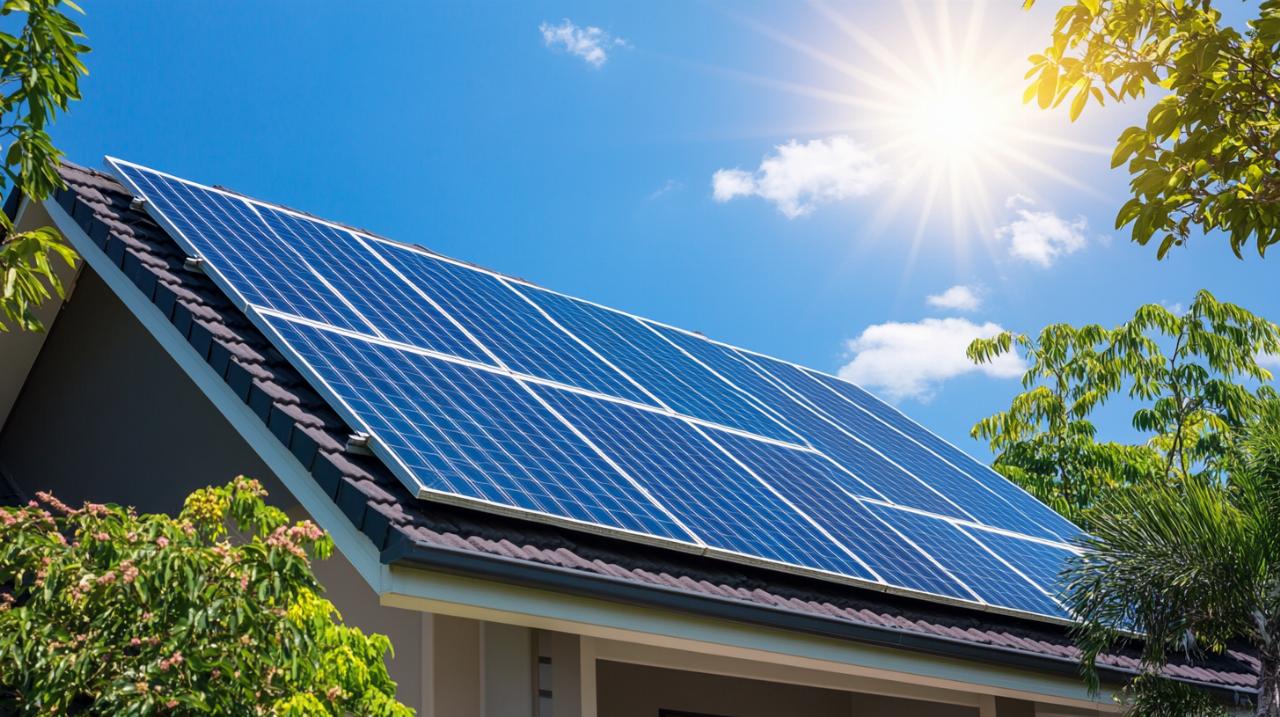
While regular cleaning and monitoring form the foundation of solar panel maintenance, long-term care requires a more comprehensive strategy. This involves understanding the seasonal challenges your system faces, knowing when professional intervention is necessary, and maintaining proper documentation of all maintenance activities. By taking a holistic view of your system's needs throughout its lifespan, you can maximise both the longevity of your equipment and the return on your initial investment.
Seasonal inspections and weather-related protective measures
The changing seasons bring different challenges for solar panel systems across the United Kingdom. During autumn, falling leaves can accumulate on your panels, whilst spring brings increased pollen levels that can create a stubborn film reducing efficiency. Winter weather, though generally bringing more frequent rainfall that naturally rinses panels, can also bring harsh conditions that stress mounting hardware and connections. Summer's longer days promise maximum energy production, but only if your panels are clean and unobstructed by new growth from nearby vegetation.
Conducting seasonal inspections allows you to address these cyclical challenges proactively. Before winter arrives, ensure that mounting brackets and roof attachments are secure and capable of withstanding harsh weather. Check that drainage pathways around your panels are clear to prevent water accumulation. As spring approaches, trim back any tree branches that have grown to cast shadows on your panels, as even partial shading can significantly reduce overall system output. These preventative maintenance measures, though simple, play a vital role in protecting your investment from weather-related damage and ensuring consistent performance regardless of the season.
Professional Servicing: When to Call in the Experts
Whilst many aspects of solar panel maintenance can be handled by conscientious homeowners, there are circumstances where professional expertise becomes essential. MCS-accredited and NICEIC-certified installers possess the specialised knowledge and equipment necessary to conduct comprehensive system health checks that go beyond surface-level cleaning and visual inspection. These professionals can perform detailed performance diagnostics, test electrical connections, assess inverter function, and identify potential issues that might not be apparent to the untrained eye.
Most experts recommend scheduling professional servicing every one to two years for typical domestic installations, with some suggesting a thorough inspection every five years at minimum. For systems located in environments with high wildlife activity, significant pollution, or other challenging conditions, biannual professional maintenance may be advisable. The cost of these services typically ranges from one hundred to two hundred and fifty pounds for a comprehensive inspection and cleaning, though annual maintenance packages offering more extensive coverage can cost between two hundred and five hundred pounds yearly. Companies such as Spectrum Energy Systems, which has served the East Midlands including Nottinghamshire, Derbyshire, Leicestershire, and Lincolnshire since 2011, provide these essential services with the expertise that comes from MCS accreditation and NICEIC certification.
When selecting a professional service provider, look for transparent pricing with no hidden fees, proper certification, and comprehensive warranties covering both parts and workmanship. Many reputable solar panel installations come with warranties extending up to thirty years for the panels themselves, with additional workmanship guarantees of five years or more. Regular professional maintenance not only keeps your system running optimally but also ensures that you remain compliant with warranty terms that might require documented servicing. By combining diligent personal care with periodic professional attention, you create the ideal maintenance regime that protects your investment, maximises efficiency, and ensures your solar panel kit continues delivering clean, cost-effective energy for decades to come.